

You wake up at 3 AM with your collarbone damp, your fitted sheet sticking to your legs, and the room somehow feeling both hot and chilly at once. You flip the pillow, kick off the blanket, wait for the heat to pass, then lie there awake because the bed is now wet enough to keep reminding you what just happened.
That cycle is exhausting. It’s also common. Menopause affects approximately 1.1 billion women worldwide by 2025, and 75-85% report hot flashes and night sweats that disrupt sleep, according to Bamtek Home’s menopause cooling sheets overview. Those symptoms can lead to 7-10 awakenings per night and cut total sleep time by up to 1.5 hours, which helps explain why so many women feel wrung out the next day.
The frustrating part is that a lot of “cooling” bedding doesn’t solve the underlying problem. Some sets feel cool for five minutes, then trap heat. Others absorb sweat but stay damp. Some luxury sheets are so dense they sleep warmer than a basic crisp set.
The best cooling sheets for menopause do something more useful. They move heat away, wick sweat fast, dry quickly, and stay breathable in the kind of sticky air that makes hot sleepers miserable, especially in places like Florida. That’s what matters in real bedrooms, not just on packaging.
The End of Sweat-Soaked Nights Starts Here
Menopause night sweats don’t feel like ordinary overheating. They hit hard, fast, and without much warning. One minute you’re asleep. The next, your chest, neck, and back are drenched, and the sheets underneath you feel humid and heavy.
That difference matters because it changes what bedding needs to do.
A sheet set that works for a mildly warm sleeper may fail completely for someone dealing with hormonal temperature swings. If fabric can’t clear moisture quickly, it turns into a wet layer pressed against your skin. If the weave is too tight, heat has nowhere to go. If the material softens by getting denser, you may get a plush feel but worse airflow.
The right sheet won’t stop a hot flash. It can make the aftermath much shorter, drier, and less disruptive.
In testing and in everyday use, the strongest performers for menopause aren’t the ones with the flashiest “cooling” labels. They’re the ones that stay breathable after repeated washes, don’t cling in humidity, and recover quickly after sweat exposure.
That’s why this category needs a no-nonsense filter. Marketing tends to lump everything together. Menopause, humid climate sleeping, and ordinary warm sleeping are not the same problem. A person in Florida with AC running can still feel trapped in a swampy bed if the fabric holds moisture and the weave blocks airflow.
Good cooling sheets can improve comfort immediately. Great ones help you stay asleep after the heat spike ends. That’s the standard worth shopping for.
How Menopause Changes Your Sleep Environment
Menopause changes more than body temperature. It changes the entire microclimate of your bed.
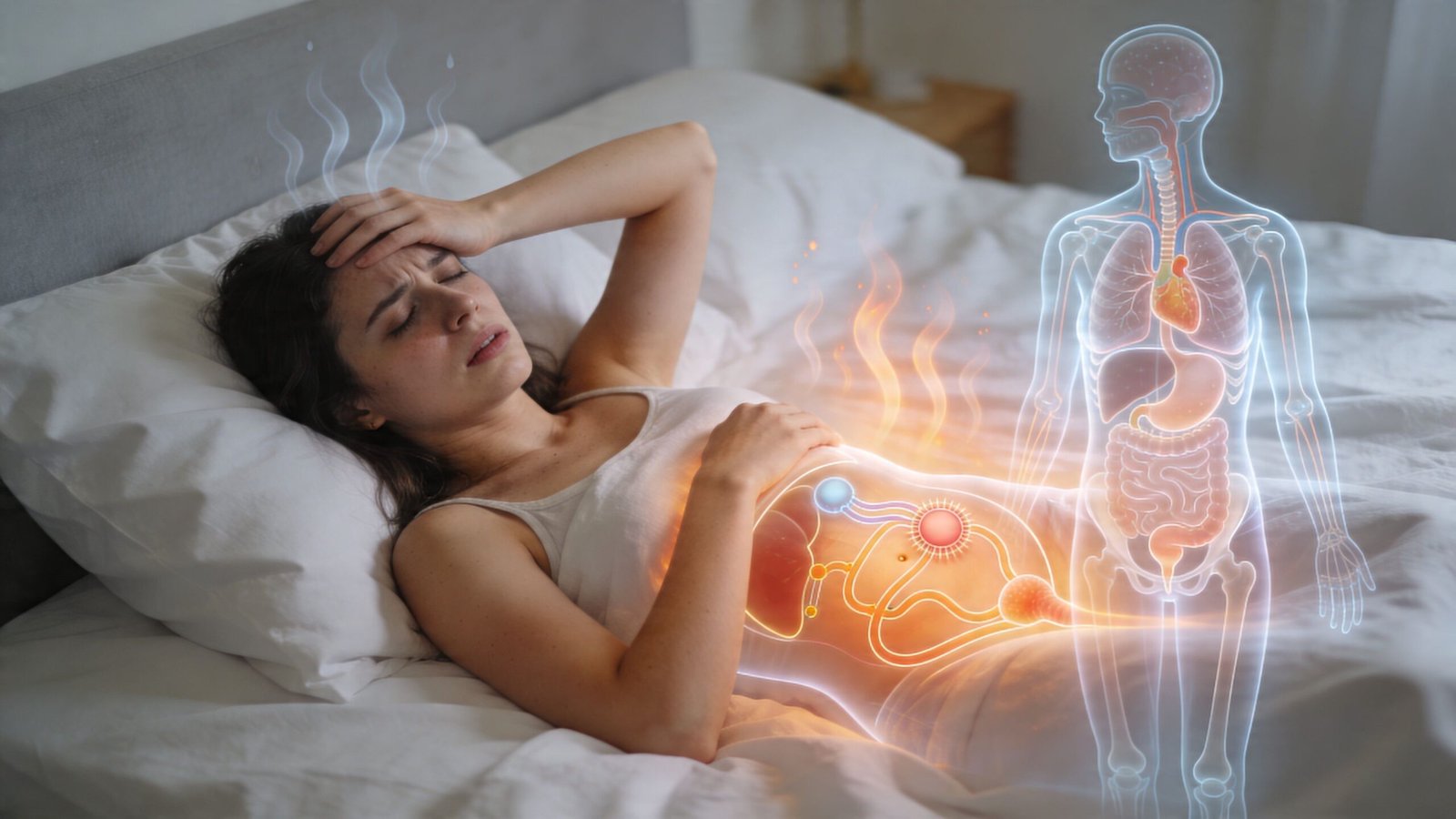
For many women, the problem starts with hormonal shifts affecting the body’s temperature control. The easiest way to think about it is a faulty internal thermostat. Your system reacts as if you’re overheating, even when the room itself is fine. That triggers sudden flushing, sweating, and a fast comfort crash once the episode passes.
Why the bed becomes the problem
Once sweating starts, your bedding decides what happens next.
A good sheet lets heat escape and spreads moisture so it can evaporate. A bad one hangs onto both. That’s when you get the familiar sequence: sudden heat, soaked fabric, then a clammy chill that leaves you wide awake and irritated.
This is why standard bedding often disappoints menopausal sleepers in humid climates. In dry air, moisture can dissipate more easily. In Florida-style humidity, the room already feels saturated, so the sheet has to work harder. If it doesn’t wick well, the bed turns sticky fast.
If you want a broader look at the triggers behind this pattern, this guide on what causes night sweats in women is useful background.
Why regular cotton often falls short
Cotton isn’t automatically bad. But for menopause night sweats, a lot depends on the type and weave.
Traditional cotton can absorb sweat, which sounds helpful until you realize absorbed moisture still has to leave the fabric. If it doesn’t, the sheet stays wet. That’s where the clammy feeling comes from. Many women describe it as sleeping in a shirt that never dried.
Cotton also tends to underperform when it’s woven densely for softness. The softer and heavier the fabric gets, the more likely it is to trap warmth.
That doesn’t mean every cotton sheet is wrong. Crisp percale cotton can feel airy and clean. But cotton is usually not the first material I’d choose for intense night sweats in a humid bedroom, because its moisture handling is usually not as strong as the best modern cooling fabrics.
What your sheets need to do instead
Menopause bedding works best when it handles three jobs at once:
- Move sweat off the skin: You need moisture pulled away before it pools.
- Release heat quickly: Breathability matters more than plushness here.
- Dry before the next episode: If the fabric stays damp, the second wake-up feels worse than the first.
That’s the filter I use when judging whether a sheet is cooling or just marketed that way.
The Best Cooling Fabrics for Menopause Explained
A sheet can feel cool for the first five minutes and still sleep hot at 2 a.m. once sweat and humidity build up. That gap matters a lot in places like Florida, where the air already holds so much moisture that fabric has to do real work, not just feel cold to the touch in the package.
Fabric choice changes how often you wake up, how damp the bed feels after a hot flash, and how quickly you settle back to sleep. In my testing, the best performers do three things well under pressure. They move moisture away from the skin, release heat instead of trapping it, and dry fast enough that the next sweat episode does not feel worse than the first.
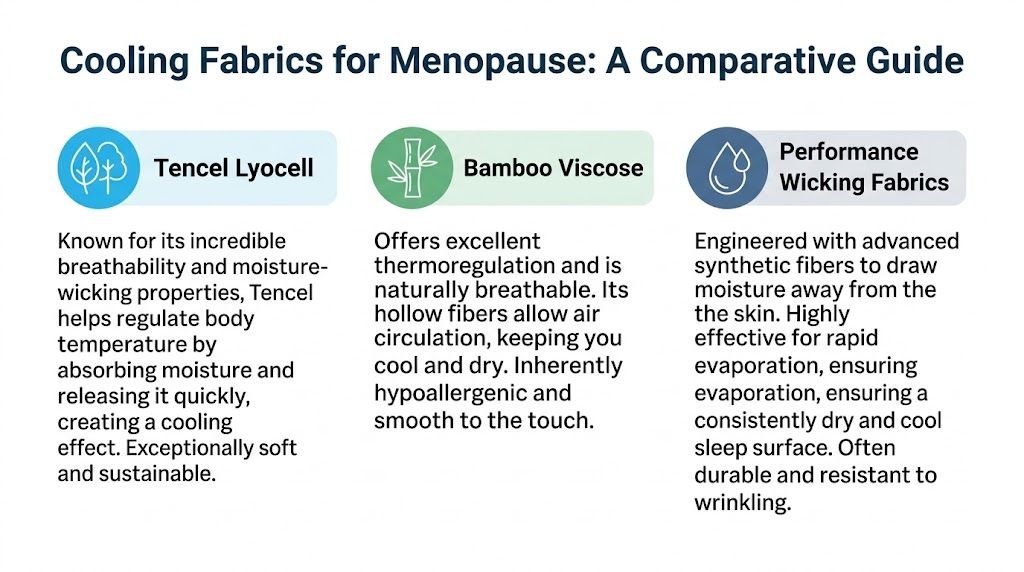
The short list is fairly consistent. Tencel lyocell and bamboo viscose usually perform best for night sweats. Linen helps if your main problem is steady heat. Cotton percale still works for some sleepers, especially if you hate slippery fabrics. Synthetic wicking sheets can help, but they are much less reliable on comfort.
Bamboo viscose for fast sweat handling
Bamboo viscose earns its reputation because it usually feels smooth, light, and less clingy during a sweat event than standard cotton. Gokotta’s analysis of bamboo sheets for menopause hot flashes reports that rayon bamboo sheets can maintain skin temperature 2-3°C cooler than traditional cotton sheets and achieve a moisture vapor transmission rate of 400-500 g/m²/24h.
Those numbers line up with what many hot sleepers notice in bed. Moisture spreads out and releases faster, so you are less likely to get that wet patch under the lower back, thighs, or chest that keeps waking you up. In muggy weather, that can mean the difference between briefly waking to throw off the covers and fully changing clothes at 3 a.m.
The catch is quality control. Bamboo is often marketed as if the fiber alone guarantees cooling. It does not. A heavy bamboo sateen can feel lush in the hand and still trap more warmth than expected after an hour in bed.
Best for: sleepers who want soft fabric, strong moisture movement, and less sticking in humid bedrooms.
Watch out for: heavy or overly silky bamboo sets that prioritize showroom softness over airflow.
Tencel lyocell for damp, humid nights
Tencel lyocell is usually the safest recommendation for menopause night sweats in humid climates. It handles moisture well, feels smooth against irritated skin, and tends to stay comfortable over a full night instead of giving you one cool first impression and then fading.
Its biggest strength is consistency. If your hot flashes leave you damp rather than just warm, lyocell usually keeps the bed feeling drier than cotton and often drier than cheaper bamboo blends. That matters because better moisture control does more than improve comfort. It can shorten the time it takes to fall back asleep after a wake-up.
I also like lyocell for women who get friction irritation behind the knees, under the breasts, or along the lower back. The surface is slick without feeling plasticky, so it glides instead of grabbing.
A practical rule helps here. Prioritize moisture transport over any “cool-to-touch” claim. Cool-to-touch finishes can fade into the background once your body heat and room humidity rise. Moisture handling keeps affecting sleep all night.
Tencel has a trade-off. Some sleepers find it too fluid and silky. If you prefer crisp hotel-style sheets, it may feel a little slippery.
Best for: hot, humid bedrooms, heavier night sweats, and sensitive skin.
Watch out for: blends with a high polyester content, which can reduce the breathability that makes lyocell appealing.
Linen for strong airflow, with a rougher feel
Linen works well for women who run hot for hours, not just during sudden hot flashes. Air moves through it easily, and it usually feels less insulating than smoother sateen fabrics.
That said, airflow is not the same thing as moisture comfort. Linen can breathe well and still feel rough or noticeably damp during a heavy sweat episode. For some women, that is fine. For others, especially light sleepers already waking multiple times a night, the texture becomes part of the problem.
Linen also has a longer break-in period than many shoppers expect. Some sets soften nicely. Some stay a bit textured, even after repeated washing.
Best for: women who sleep warm all night and want airflow more than softness.
Watch out for: a rougher hand-feel, wrinkling, and less comfort during drenching sweats.
Cotton percale for crisp, familiar comfort
Percale is the cotton exception I still recommend with some confidence. It does not wick moisture as well as lyocell or bamboo, but it can feel cool, light, and noticeably less stuffy than denser cotton weaves.
For mild night sweats, that may be enough. Many women sleep better in a fabric that feels familiar and crisp instead of silky. Percale also tends to have better air circulation than cotton sateen, which is why it often sleeps cooler even when both are made from similar fibers.
Its limits show up fast with heavier sweating. Once the fabric gets wet, it usually stays wetter longer than the best cooling options.
Best for: mild overheating, sleepers who dislike silky sheets, and anyone who wants a traditional cotton feel.
Watch out for: weaker moisture management during stronger hot flashes.
Performance wicking synthetics
Synthetic performance fabrics are the most overhyped category in cooling bedding. Some do move moisture quickly. That part is real. The problem is that bedding is not workout clothing. A fabric can wick well and still feel slick, noisy, warm underneath the body, or slightly plastic against bare skin.
I treat synthetic-heavy sheets as specialty products, not default recommendations. They can work for a small group of sleepers, especially if fast drying matters more than natural feel, but comfort varies too much from one set to the next to rank them with the top choices.
Best for: sleepers who care most about fast drying and do not mind a more technical fabric feel.
Watch out for: heat buildup, noise, and a less natural texture over long nights.
Quick fabric comparison
| Fabric | Main strength | Main weakness | Best match |
|---|---|---|---|
| Bamboo viscose | Strong wicking with soft drape | Can run warm if too heavy | Humid sleepers who want softness |
| Tencel lyocell | Reliable moisture control and smooth feel | Too silky for some | Intense night sweats in muggy rooms |
| Linen | Excellent airflow | Can feel rough or damp | Constant warm sleeping |
| Cotton percale | Crisp, airy comfort | Holds moisture longer | Mild heat and traditional feel |
| Performance synthetics | Fast drying potential | Comfort is inconsistent | Specialty use, not a first choice |
Features to Prioritize Beyond the Fabric Itself
A sheet can test well on paper and still fail at 2 a.m. in a humid bedroom.
That happens all the time in Florida-style conditions, where the air is already carrying so much moisture that your bedding has very little margin for error. The fabric matters, but construction decides whether that moisture can escape, whether the sheet clings to damp skin, and whether you fall back asleep quickly after a hot flash.
Ignore high thread count hype
High thread count is one of the most persistent cooling myths in bedding. For menopause sleep, especially in muggy climates, denser sheets often sleep warmer because airflow drops and moisture has a harder time dissipating once the fabric is pressed against the body.
I see this in testing with cotton most often. A 200 to 300 thread count percale set usually feels drier and less stifling than a much denser sateen set marketed as luxury. The higher-count option may feel smoother out of the package, but smooth is not the same as cool, and it definitely is not the same as dry by the second half of the night.
If a brand pushes thread count harder than airflow, weave, or moisture control, I treat that as a warning sign.
Weave changes the feel and the airflow
Weave has a direct effect on how a sheet handles heat, humidity, and sweat buildup over several hours.
- Percale has more open airflow and a crisper finish. It is usually the safer pick for sleepers who wake up sticky.
- Sateen drapes nicely and can feel pleasant at first touch, but it often traps more warmth around the body.
- Heavier luxury weaves tend to prioritize softness and weight. In humid rooms, that extra density can backfire.
The trade-off is comfort preference. Some women hate the matte feel of percale and sleep better in a softer sateen even if it runs a bit warmer. That can still be the right choice if the fabric itself manages moisture well. What matters is total sleep outcome, not whether the sheet feels cool for the first five minutes.
Look for fewer wake-ups, not flashy cooling language
Packaging language is cheap. “Cooling,” “ice,” and “temperature regulating” get printed on plenty of sheets that still leave you damp and restless.
The better question is simple: does the sheet help you stay asleep longer after a hot flash starts? In real use, the difference shows up less as a dramatic drop in room feel and more as fewer wake-ups, less tossing, and less time spent kicking the bedding off and pulling it back on. That is the performance standard that matters.
I put little weight on “cool-to-the-touch” claims alone. A fabric can feel cool for a minute and still trap humidity through the night. For menopause, moisture handling and recovery time matter more than showroom hand-feel.
If a product says “cooling” but gives no useful detail about weave, weight, or moisture behavior, I assume the claim is doing more work than the sheet is.
Don’t skip the practical details
Small construction details often decide whether a set works night after night.
- Pocket depth: A fitted sheet that slips loose on a tall mattress or adjustable base creates friction, bunching, and extra wake-ups.
- Elastic quality: Strong elastic keeps the surface flat. Weak elastic leads to wrinkles and hot spots under the hips and shoulders.
- Fabric weight: Even a breathable fiber can sleep warm if the sheet is too heavy for a humid climate.
- Certifications: OEKO-TEX and similar standards are useful if your skin has become more reactive or itchy.
- Care instructions: Sheets that need delicate handling often lose performance fast in real households, where frequent washing is unavoidable.
The best cooling sheets for menopause are rarely the ones with the loudest claims. They are the sets that stay breathable at hour six, dry fast after sweating, fit the bed correctly, and help you get back to sleep with less interruption.
Our 2026 Top Picks for Menopause Night Sweats
No single sheet is best for everyone. The right pick depends on whether your main issue is drenching sweat, sticky humidity, texture sensitivity, or budget.
I’d rather narrow the field than pretend one product solves every version of menopause sleep disruption.
Top Cooling Sheets for Menopause 2026 Comparison
| Product | Material | Weave | Best For | Price Range |
|---|---|---|---|---|
| Eucalypso Classic | Tencel Lyocell | Sateen | Hot, humid climates and damp sleepers | Premium |
| ettitude Bamboo Lyocell | Bamboo-based lyocell | Sateen | Soft feel with strong moisture handling | Premium |
| Cariloha Bamboo Sheets | Bamboo viscose | Sateen | Frequent hot flashes and silky comfort | Premium |
| Gokotta Bamboo Sheets | 100% viscose from bamboo | Sateen | Menopause-specific bamboo option | Mid-range to premium |
| Crisp cotton percale set | Long-staple cotton | Percale | Mild overheating and traditional sheet feel | Budget to mid-range |
Best overall for intense night sweats
Eucalypso Classic is the pick I’d put in front of someone whose main complaint is waking up damp and unable to get comfortable again.
Tencel lyocell has a strong track record for moving moisture fast and maintaining a smooth surface over time. That matters because roughened or tired sheets often feel warmer and less breathable after months of washing. In humid environments, this kind of fabric usually holds up better than standard cotton.
Who it suits:
- Women dealing with repeated night sweats
- Sleepers in sticky climates
- Anyone who hates clingy bedding
Trade-off: the feel is silky and fluid, not crisp.
Best for hot, humid climates
Cariloha Bamboo Sheets stand out for people who sleep in warm, muggy conditions and want a sheet that feels soft immediately. The brand is often associated with bamboo sets tested for hot sleepers, and bamboo viscose remains one of the most comfortable materials when your skin already feels irritated from sweat.
This kind of set usually works well when a room is technically cool but still feels humid. The fabric doesn’t have to be icy. It has to stop moisture from lingering.
Best fit:
- Florida and Gulf Coast bedrooms
- Sleepers who want softness over crispness
- People who move around a lot during the night
Trade-off: some bamboo sateens can sleep warmer than expected if the build is too dense.
Best luxury feel without losing function
ettitude Bamboo Lyocell is for the sleeper who wants cooling performance but won’t tolerate a rough or hotel-crisp texture. This is the sort of sheet that feels polished and smooth without leaning into heavy, overbuilt “luxury” territory.
It also fits shoppers who care about newer cooling developments, including PCM-related conversations, but still want a comfortable baseline fabric first. That’s important. Extra cooling tech can help, but bad base fabric can still ruin the sheet.
Best fit:
- Texture-sensitive sleepers
- Shoppers who want premium finish
- Anyone upgrading from cotton sateen
Trade-off: premium feel usually means a premium price.
Best bamboo-focused option for menopause shoppers
Gokotta Bamboo Sheets make sense for shoppers who specifically want a menopause-oriented bamboo set and are comparing within that niche rather than across all fabrics. Bamboo’s moisture handling and softer drape can be a relief if your current sheets feel heavy after sweating.
This is the kind of pick I’d consider for someone who has already tried regular cotton and knows it’s not enough.
Best fit:
- Bamboo-first shoppers
- Women who want a softer sleep surface
- People who dislike crisp or textured fabrics
Trade-off: you still need to check construction details closely, because not every bamboo sheet is equally airy.
Best budget-friendly path
A cotton percale set is still the budget answer I’d recommend before a cheap “cooling” microfiber set. If your overheating is moderate rather than severe, percale can feel fresh, breathable, and far less stuffy than dense sateen.
This isn’t the technical winner for heavy menopause sweating. It is often the smarter value buy if your budget is tight and you want an immediate improvement over generic cotton blends.
Best fit:
- Mild hot sleeping
- Shoppers who dislike silky sheets
- Guest rooms or trial purchases
Trade-off: weaker moisture management during stronger sweat episodes.
How I’d choose between them
If you’re stuck, use this simple sorting rule:
- Choose Tencel lyocell if dampness is your biggest problem.
- Choose bamboo viscose or bamboo lyocell if you want softer drape with strong sweat handling.
- Choose cotton percale if you want crispness and your symptoms are milder.
- Choose linen only if you already know you like linen’s texture and prioritize airflow above all else.
That gets many individuals to the right short list fast.
How to Maximize Your Cooling Sleep System
Even the best sheets can’t do the whole job alone. If the layer under them traps heat, your pillow runs hot, or your wash routine coats the fibers, performance drops fast.
Wash for performance, not just cleanliness
Cooling fabrics need gentle care if you want them to keep working.
According to Sleep Foundation’s cooling sheets guide, Tencel Lyocell retains 95% of its softness after 100 washes when cared for properly, and its nanofibril structure pulls moisture 60% faster than cotton. That’s a strong argument for following care labels closely instead of washing bedding on the harshest cycle by default.
A few habits help:
- Use mild detergent: Heavy residues can sit in the fibers.
- Skip fabric softener: It can coat the fabric and reduce moisture movement.
- Go easy on heat: Excessive heat can shorten the useful life of delicate cooling fabrics.
- Wash consistently: Sweat and body oil buildup can make even good sheets feel warmer.
Build around the sheets
The layer under the sheet matters more than generally realized. If your mattress protector is plasticky or non-breathable, it can trap warmth right below you and cancel out some of your sheet’s benefits.
A breathable protector or topper often makes a noticeable difference, especially in humid climates. If you’re exploring that setup, this guide to cooling mattress pads is a solid next step.
For many menopausal sleepers, a better system includes:
- A breathable mattress protector
- A lower-loft or cooling pillow
- A lightweight blanket instead of a heavy comforter
- Good air movement across the bed
Here’s a useful walkthrough on how cooling layers work together:
Handle the couple problem realistically
Shared beds are tricky. One partner overheats while the other wants more cover.
The practical fix usually isn’t one magical bedding set. It’s split layering. Use breathable fitted and flat sheets, then give each person separate top layers if needed. That way the hot sleeper can stay light without forcing the colder partner to freeze.
In couples’ beds, separate top bedding solves more temperature fights than any “dual climate” marketing claim.
If you want an extra cooling boost, pairing moisture-wicking sheets with a phase-change material mattress topper can help, especially since Tencel’s moisture handling can be enhanced by that kind of layer, as noted in the Sleep Foundation material above.
Your Path to Drier and Deeper Sleep
Menopause sleep disruption is miserable, but it isn’t something you have to just endure with the wrong bedding.
The best cooling sheets for menopause usually come down to a few smart decisions. Choose a fabric that handles moisture well, especially Tencel lyocell or bamboo viscose. Favor breathability over luxury buzzwords. Treat high thread count claims with skepticism. If you live in a humid climate, shop even harder for fast-drying performance.
Relief also comes from thinking beyond “cool to the touch.” The better question is whether the sheet helps you stay drier and get back to sleep faster after a hot flash.
If you want more menopause-specific sleep strategies beyond sheets, this guide on how to stop night sweats in menopause is worth reading.
A better bed won’t change the hormonal cause. It can change your nights. And once your bed stops working against you, deeper sleep starts to feel possible again.
Frequently Asked Questions About Cooling Sheets
Do cooling sheets actually feel cold to the touch
Some do, especially Tencel-based sets. But that initial cool touch isn’t the main thing that matters. For menopause, the bigger test is whether the sheet stays breathable and moves sweat away once a hot flash hits.
How often should I wash cooling sheets
Wash them regularly enough that sweat, skin oil, and residue don’t build up. If you’re having frequent night sweats, that usually means washing more often than you would ordinary bedding. Clean fibers wick and breathe better than coated ones.
Can I use fabric softener or bleach on bamboo or Tencel sheets
I wouldn’t unless the care label specifically says it’s safe. Fabric softener can leave a coating that interferes with moisture movement. Harsh bleach can wear down fibers and shorten the life of the sheet.
Will cooling sheets shrink in the wash
They can if you wash or dry them too hot. That’s especially true for more delicate cooling fabrics. Use the manufacturer’s care instructions, keep heat moderate, and avoid assuming all sheet materials can handle the same laundry routine.
Are PCM sheets worth considering
They can be, especially if sleep continuity is your biggest concern. The menopause bedding discussion cited earlier linked PCM-integrated sheets with fewer night awakenings than standard bamboo in one study. I’d still treat PCM as an added feature, not a substitute for a breathable, moisture-managing base fabric.
What’s the single biggest buying mistake
Buying for softness alone. A buttery sheet that traps heat isn’t a menopause sheet. It’s just a soft warm sheet.
CoolRestGuide tests cooling sleep products for the people who need honest answers most: hot sleepers, sweaty sleepers, and anyone stuck in a humid bedroom wondering why their “cooling” bedding isn’t working. If you want practical reviews and buying guides that cut through the hype, visit CoolRestGuide.
