

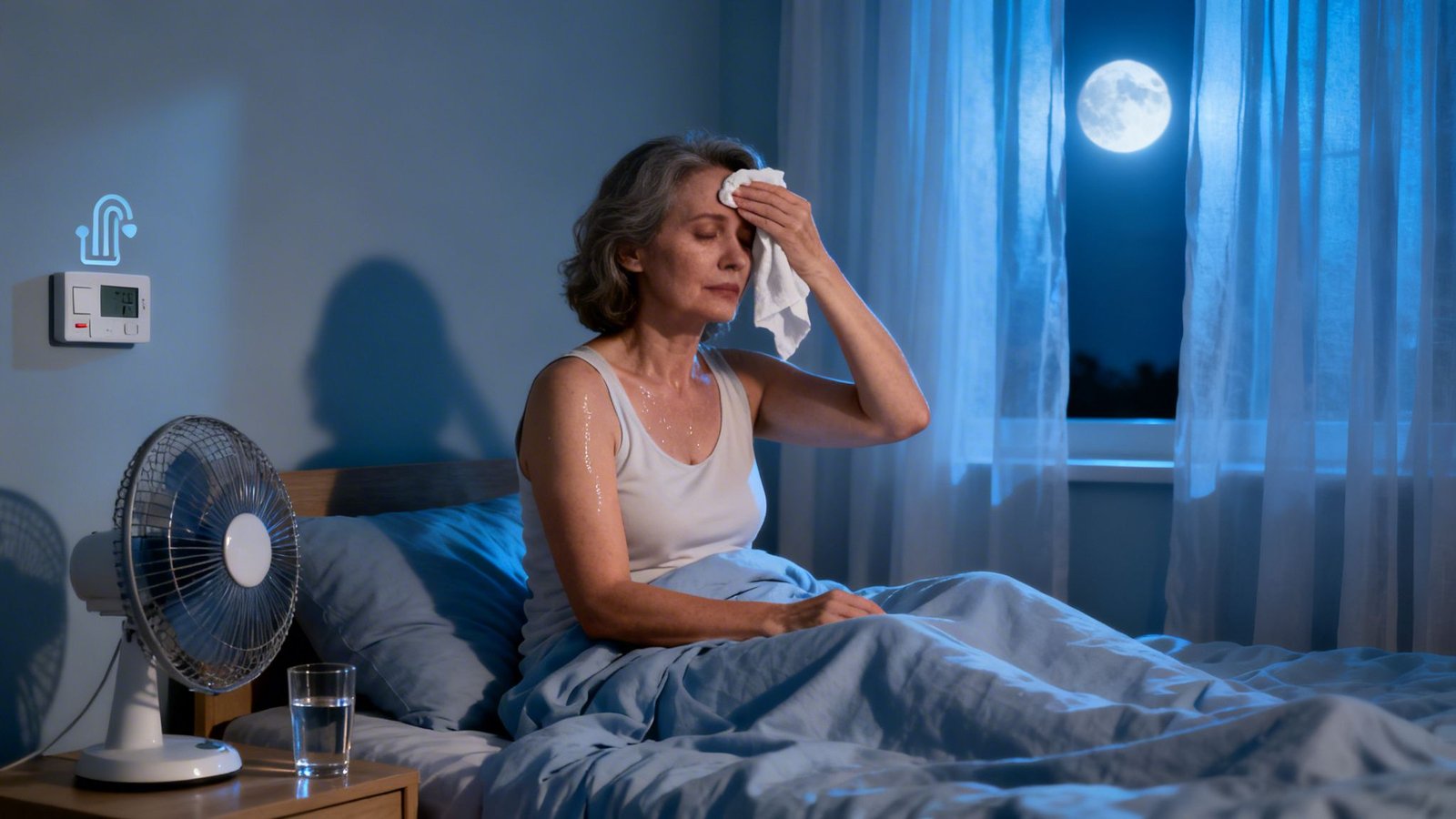
Waking up in a pool of sweat is more than just uncomfortable—it can be downright alarming and ruin a good night's rest. If you're wondering what causes night sweats in women, the simple answer is that it's rarely a disease itself. Instead, think of it as your body's internal alarm system going into overdrive.
These intense episodes of sweating happen when your body's thermostat gets thrown off track, often by hormonal shifts, medications, or even stress.
Why You Wake Up Drenched in Sweat

Imagine your body's temperature regulation as a highly sensitive thermostat in your home. It's designed to keep you comfortable within a very narrow temperature range, a concept scientists call the thermoneutral zone. As long as your core temperature stays within that small window, everything is fine.
But the moment your temperature nudges past that upper limit, your internal cooling mechanism—sweating—kicks in to bring you back to baseline. Night sweats are what happens when this system becomes way too sensitive.
It’s like having a home thermostat that blasts the AC at full power for a tiny, one-degree temperature change. That's essentially what your body is doing. It perceives a minor increase in heat and overreacts with a drenching sweat designed to cool you down—fast.
Understanding Your Body's Finicky Thermostat
This frustrating experience is incredibly common, affecting up to 41% of adults. Women often draw the short straw here, largely due to the hormonal rollercoasters we ride throughout our lives. While menopause gets all the attention, it’s far from the only culprit.
Plenty of other things can tinker with your internal thermostat, making it overly reactive. To help you pinpoint your own triggers, here’s a quick breakdown of the usual suspects.
Quick Guide to Common Night Sweat Triggers
The table below summarizes the most frequent causes of night sweats and who is most likely to be affected.
| Cause Category | Primary Reason | Most Affected Group |
|---|---|---|
| Hormonal Shifts | Fluctuations in estrogen and progesterone narrow the thermoneutral zone. | Women in perimenopause, menopause, or pregnancy. |
| Stress & Anxiety | "Fight-or-flight" hormones like adrenaline and cortisol raise core body temperature. | Anyone experiencing high stress, panic disorders, or anxiety. |
| Medications | Certain drugs directly impact the part of the brain that regulates temperature. | Individuals taking certain antidepressants, steroids, or diabetes medications. |
| Lifestyle Factors | Alcohol, caffeine, and spicy foods can temporarily spike body temperature and trigger a sweat response. | People who consume these items, especially close to bedtime. |
As you can see, the list of potential triggers is long and varied. Identifying what's causing your night sweats is the first real step toward finding relief.
The key takeaway is that night sweats are a symptom, not a diagnosis. They are your body's exaggerated attempt to cool itself down when its internal thermostat becomes too sensitive.
Whether you're dealing with a temporary hormonal phase or a side effect of medication, understanding your specific triggers empowers you to take control. That might mean a conversation with your doctor, a few lifestyle tweaks, or optimizing your sleep setup. In fact, many people find that just understanding why they get so hot when they sleep brings a huge sense of relief.
Although waking up drenched is unsettling, it's usually a problem with a solution. By getting to the bottom of it, you can pave a clear path toward cooler, more restorative sleep.
The Hormonal Rollercoaster of Menopause
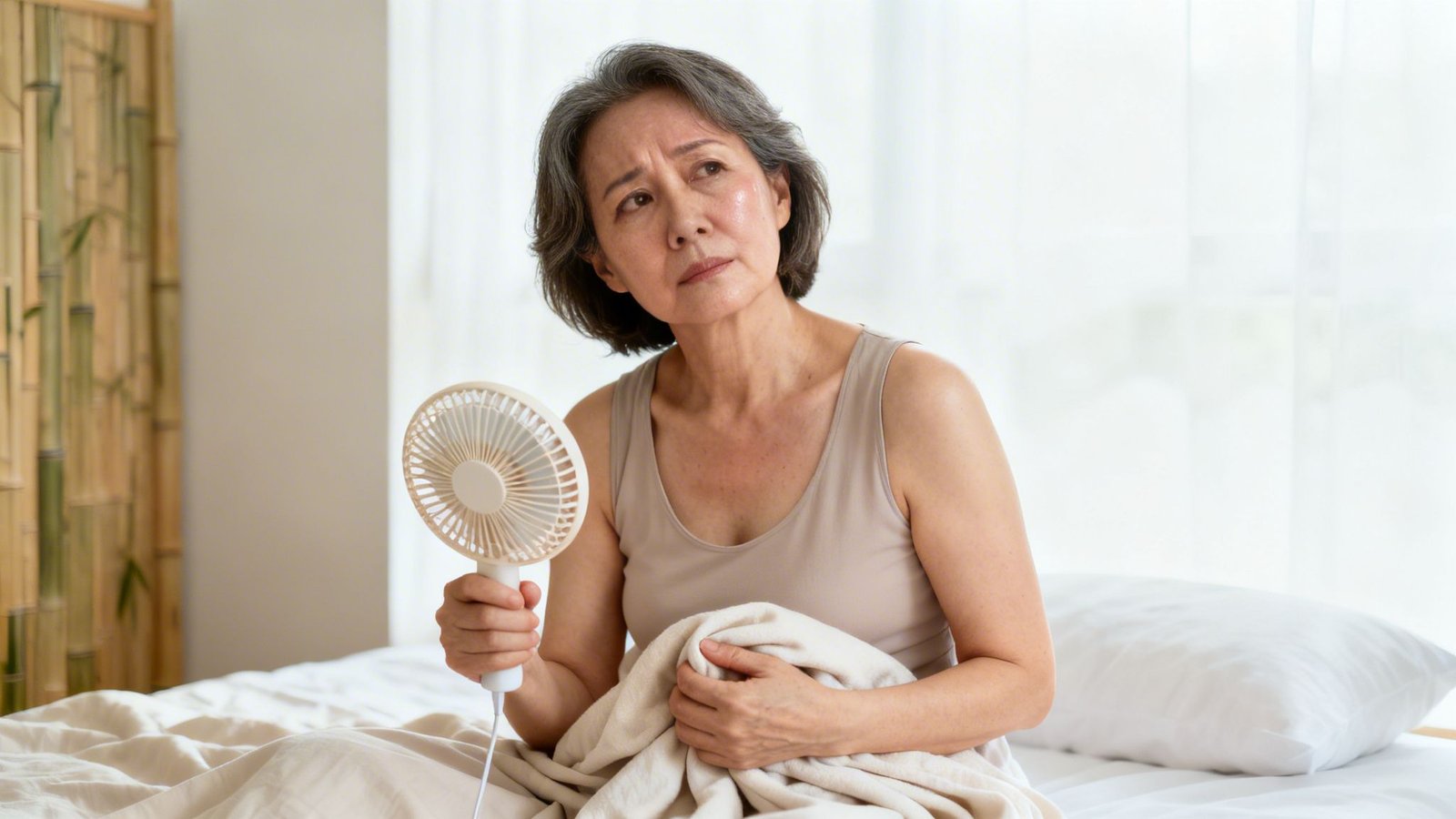
If you’re a woman waking up drenched in sweat, there’s one cause that stands head and shoulders above the rest: the monumental hormonal shift of perimenopause and menopause. This transition, usually kicking in during a woman’s 40s or 50s, is so much more than your period stopping. It’s a total rewiring of your body’s internal operating system.
Let's use an analogy. For most of your life, your body’s temperature has been managed by a finely tuned internal thermostat, with the hormone estrogen acting as the master controller. It kept your core temperature steady, easily handling minor changes from a brisk walk or a warm room without you even noticing.
But as you enter perimenopause, your estrogen levels begin to drop—and not in a slow, steady decline. They fluctuate wildly. This chaos throws your brain's temperature control center, the hypothalamus, completely out of whack. It becomes jumpy, over-sensitive, and frankly, unreliable.
The Thermostat on High Alert
What this really means is that your body's "comfort zone" has shrunk. Experts call this the thermoneutral zone, which is the small temperature range where you feel perfectly fine—not too hot, not too cold. As estrogen plummets, that comfortable window gets incredibly narrow.
So now, a tiny, fractional increase in your core body temperature—something your body would have completely ignored before—is flagged as a five-alarm fire. The hypothalamus panics and hits the emergency cooling button. The result? An intense, sudden heat wave that we call a hot flash, or if it strikes at night, a drenching night sweat.
Your body is just trying to cool itself down, but the reaction is completely disproportionate to the actual situation.
The Far-Reaching Impact of Hormonal Sweats
These episodes aren't just a nuisance; they can seriously disrupt your life. Menopause is, without a doubt, the single biggest hormonal driver of night sweats, with research showing that between 75% and 85% of menopausal women experience them. This is what makes night sweats so incredibly common during this phase.
The cumulative effect of these nightly battles takes a serious toll:
- Shattered Sleep: Waking up repeatedly, often to soaked sheets and pajamas, destroys the deep, restorative sleep your body and mind need.
- Daytime Exhaustion: It’s no surprise that poor sleep leads to feeling drained, foggy, and unable to focus the next day.
- A Vicious Cycle of Anxiety: The sheer unpredictability of night sweats can be stressful. You start to dread going to bed, and that anxiety itself can sometimes make them even more likely to happen.
The experience of menopausal night sweats can last for years. While the average duration is around 7 to 10 years, some women may deal with them for much longer, making proactive management essential for long-term quality of life.
Finding Relief During the Transition
While you can’t stop the hormonal changes, you are far from powerless. The key is to support your body's haywire cooling system and create a sleep environment that minimizes triggers. This is where your bedding and sleep routine become your secret weapons.
A multi-pronged strategy often works best. You can start with lifestyle adjustments, like cutting back on caffeine or spicy foods before bed, and of course, talk to your doctor about medical options. Our complete guide on how to stop menopausal night sweats dives into dozens of practical strategies you can use tonight.
However, your most immediate line of defense is to overhaul your sleep environment for maximum cooling. Since your internal thermostat is overreacting to the slightest hint of warmth, your goal is to keep your body temperature as cool and stable as possible all night long.
This is where breathable, moisture-wicking materials become non-negotiable. Cooling sheets, pillows, and mattress toppers aren't just luxuries during menopause—they are essential survival tools. By creating a personal microclimate that actively pulls heat and moisture away from your body, you can help prevent your faulty thermostat from sounding the alarm in the first place.
How Anxiety and Stress Turn Up the Heat
While hormones are often the first suspect, they don't tell the whole story behind night sweats. Your mental and emotional state is an incredibly powerful player, especially when stress and anxiety enter the picture. These aren't just feelings "in your head"—they set off a very real, very physical chain reaction in your body.
Think of it like this: your body has a built-in alarm system called the "fight-or-flight" response. When you feel stressed or anxious, that alarm goes off. It floods your system with stress hormones like adrenaline and cortisol, which are designed to get you ready for immediate action.
Even if the "threat" is a looming work deadline and not a grizzly bear, the biological script is the same. Your heart pounds, your breathing gets shallow, and your metabolism kicks into high gear. All of this activity generates a ton of internal heat, and to keep from overheating, your body deploys its most effective cooling strategy: sweating.
The Fight-or-Flight Response in Your Sleep
Here’s the catch: this alarm system doesn't just clock out when you go to bed. If you’re carrying the day's worries with you or dealing with an underlying anxiety disorder, that fight-or-flight response can be triggered even while you're fast asleep. Your brain, still processing those anxious thoughts, can signal for a shot of adrenaline, basically cranking up your internal furnace without your permission.
Suddenly, your body is in high-alert mode, generating heat it needs to shed—fast. The result is a drenching sweat that jolts you awake, often with a racing heart and a confusing sense of panic. This isn't just a bad dream; it's a physiological event driven by stress chemistry.
The connection here is undeniable. Research shows that more than 30% of women are diagnosed with an anxiety disorder in their lifetime, and a staggering 63% report feeling moderate to high levels of stress. Both short-term and chronic anxiety can trigger night sweats, in part by making your sweat glands extra sensitive to even minor shifts in temperature and stress signals. You can get a deeper look into the relationship between sleep and stress with these insights from SleepFoundation.org.
Trapped in the Sweat-Stress Cycle
What makes stress-induced sweating so maddening is the vicious feedback loop it creates. Waking up soaked is a genuinely stressful experience, which, ironically, makes you more likely to have it happen again.
It’s a frustrating cycle that usually looks something like this:
- The Initial Stress: You’re dealing with a stressful day or chronic anxiety, which puts your body on edge.
- The Night Sweat: During the night, your body’s alarm system is triggered, causing a major sweat episode.
- The Disruption: You wake up drenched, uncomfortable, and maybe even panicked, completely wrecking your sleep.
- The Dread: You start to dread going to bed, worried it’s just going to happen all over again.
- The Escalation: This fear and worry ramp up your overall anxiety, making it even more likely your body will sound the alarm and repeat the cycle.
This sweat-stress spiral is a classic example of the mind-body connection in action. Your psychological distress shows up as a physical symptom, and that physical symptom then fuels even more psychological distress.
Breaking free requires tackling the problem from two sides. On one hand, you need to manage the physical discomfort by creating a sleep environment that helps you stay cool. But just as crucial is addressing the root of the problem: getting a handle on your stress and anxiety. This could mean trying out mindfulness, talking to a therapist, or making simple lifestyle changes to create a sense of calm before you ever get into bed.
Other Medical Causes and Medications to Know
While hormones and stress are the usual suspects, they aren't the only reasons you might be waking up in a pool of sweat. Sometimes, persistent night sweats are your body's check-engine light, signaling an underlying medical issue or a side effect from a medication.
Knowing about these other possibilities isn't about causing alarm—it's about being informed. This is the background knowledge you need to have a truly productive conversation with your doctor, helping you rule out other factors and get to the bottom of what's really going on.
When Your Body's Systems Go Into Overdrive
Several medical conditions can throw your body's internal thermostat out of whack. These issues often mess with your metabolism or hormone levels, cranking up the heat while you’re trying to sleep.
Here are a few common ones to be aware of:
Hyperthyroidism: Think of your thyroid as your body's metabolic engine. When it becomes overactive (hyperthyroidism), it floods your system with too much thyroid hormone. This essentially puts your metabolism into overdrive, making you feel constantly warm, increasing your heart rate, and causing significant sweating, both day and night.
Hypoglycemia: This is the clinical term for low blood sugar. While it can happen to anyone, it's a well-known issue for people with diabetes using insulin or certain oral medications. If your blood sugar dips too low overnight, your body panics and releases stress hormones like adrenaline to compensate. That "fight-or-flight" response is what brings on the sweat, shakiness, and anxiety.
Infections: Fighting off an infection, whether it's a virus like the flu or a more serious bacterial one, naturally involves a fever. Sweating is simply your body's way of trying to cool down and break that fever. While this is expected with a short-term bug, chronic or hidden infections can lead to more persistent night sweats.
The connection between stress, sleep, and sweating can easily become a vicious cycle, as the flowchart below shows.
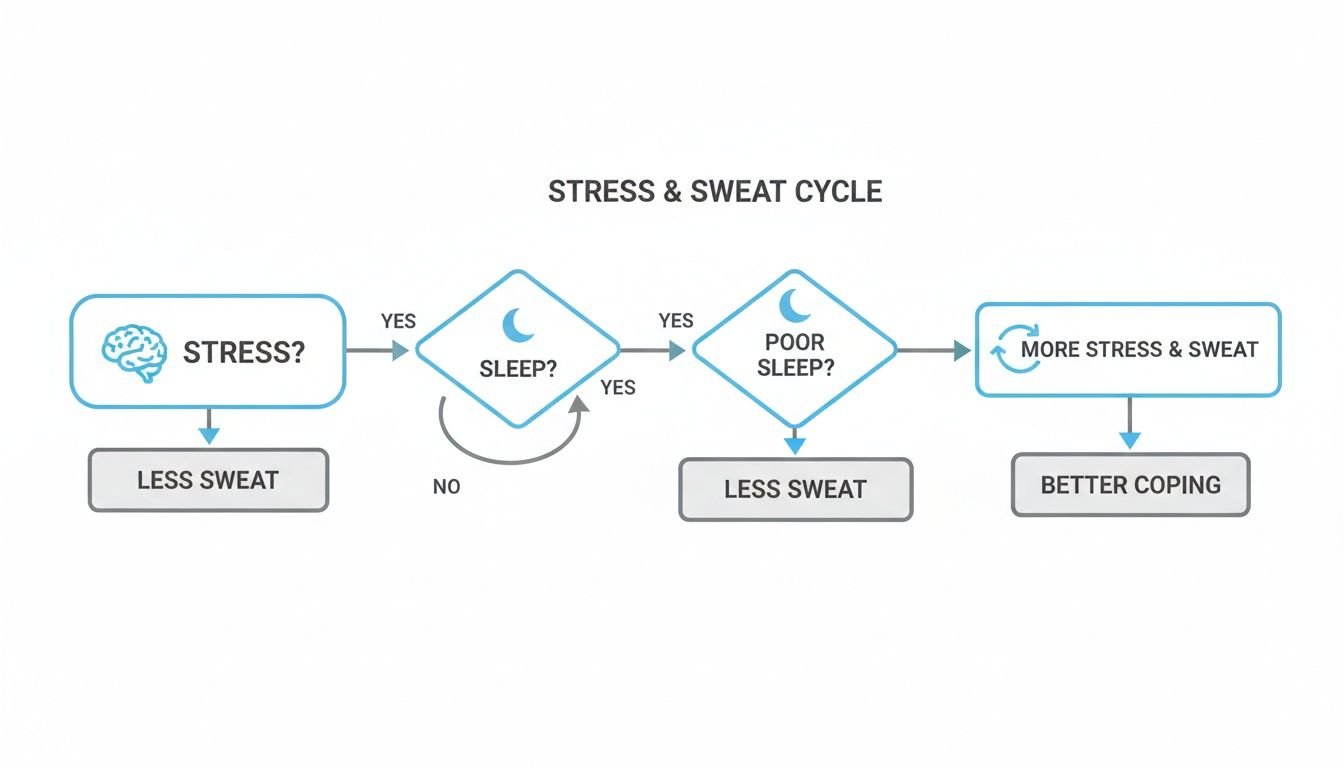
When you're stressed, you don't sleep well. When you don't sleep well, your body's stress response gets amplified, and before you know it, you're stuck in a loop that often includes waking up drenched.
Medications That Can Cause Night Sweats
It’s always a good idea to take a look at your medicine cabinet. An estimated 8% to 22% of people taking certain prescription drugs report sweating as a side effect. These medications can directly influence the part of your brain that regulates body temperature or change the chemical signals that control your sweat glands.
Some of the most common culprits include:
- Antidepressants: A surprisingly large number of night sweat cases are linked to these drugs, especially the SSRI (selective serotonin reuptake inhibitors) and SNRI (serotonin-norepinephrine reuptake inhibitors) classes.
- Diabetes Medications: As noted earlier, drugs meant to lower blood sugar, such as insulin and sulfonylureas, can accidentally cause hypoglycemia overnight, leading to sweats.
- Steroids: Corticosteroids, like prednisone, are powerful anti-inflammatories that can interfere with your body's temperature regulation and hormonal balance.
- Hormone Therapies: It makes sense that drugs designed to block or alter hormones—like those used in some cancer treatments—can also trigger hot flashes and night sweats.
If you think a medication might be the cause, do not stop taking it on your own. Talk to your doctor first. They can help you figure out if a dosage change or a different medication might be a safe and effective alternative.
Recognizing Red Flag Symptoms
The vast majority of the time, what causes night sweats in women is completely benign. On rare occasions, however, they can be a piece of a larger puzzle pointing to a more serious condition, like lymphoma.
Doctors look for a specific cluster of signs often referred to as "B symptoms." These are unexplained fever, significant unintentional weight loss (losing more than 10% of your body weight in six months), and drenching night sweats.
If your sweats are severe, ongoing, and show up alongside these "B symptoms" or other worrying signs like profound fatigue or swollen glands, it's time to see a doctor. Laying out all of your symptoms helps your physician connect the dots, identify the root cause, and ultimately give you peace of mind.
Your Action Plan for a Cooler Night's Sleep
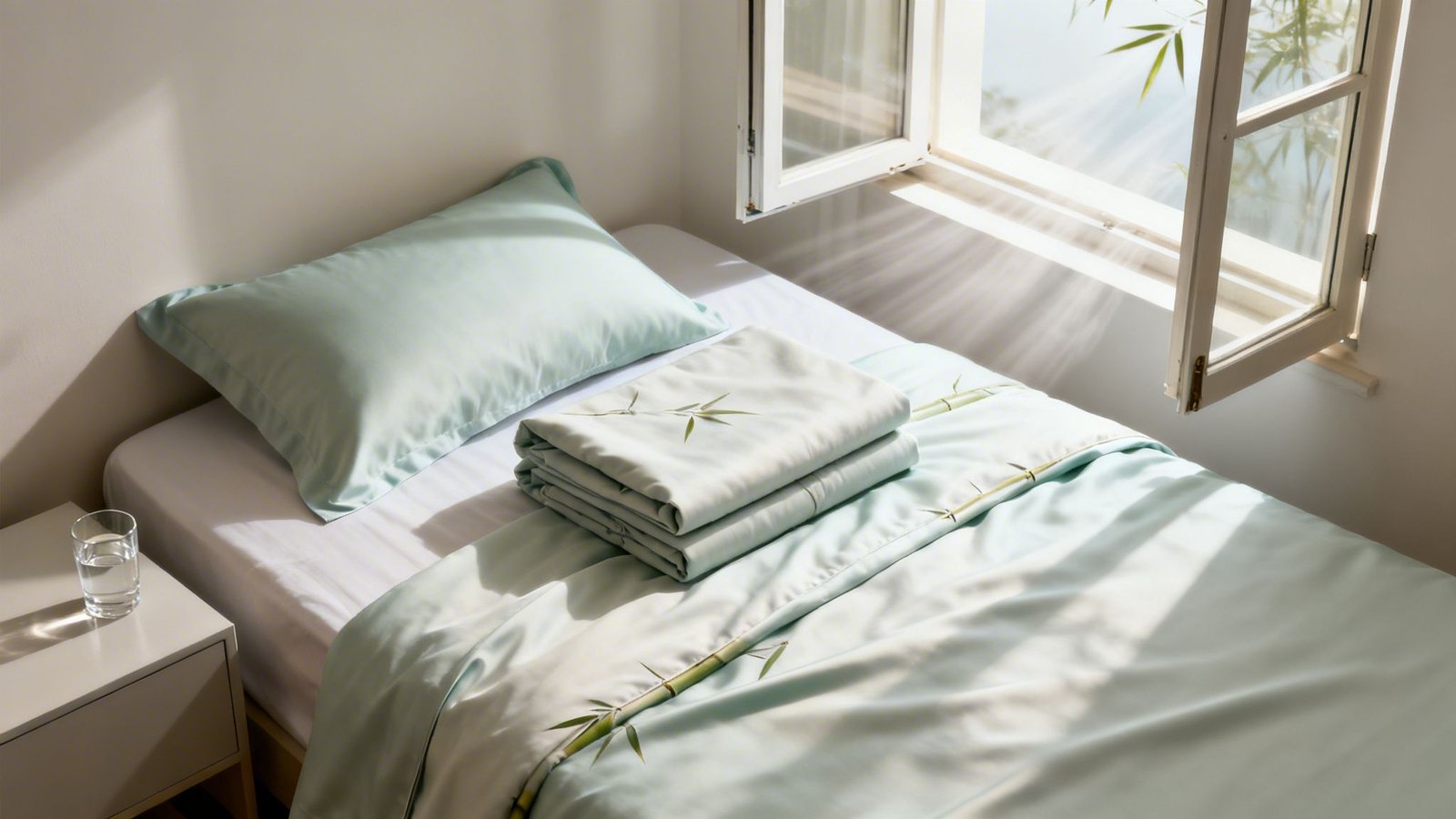
Knowing what causes night sweats is one thing, but getting real relief means taking action. Let's move beyond the why and get into the how. This is your practical guide to creating a cooler, more comfortable night’s sleep, and it goes way beyond just cranking down the thermostat.
Building a true cool-sleep sanctuary means looking at the bigger picture. We’ll talk about optimizing your bedroom environment, rethinking your bedtime habits, and, most importantly, choosing sleep products that are actually designed to fight back against heat and sweat.
Set the Stage for a Cool Night
Your bedroom itself can make a huge difference in how well your body regulates its temperature overnight. With a few smart changes, you can turn a stuffy, heat-trapping room into a cool escape. The goal is to tackle both the temperature and the humidity.
First, get the air moving. A ceiling fan running counter-clockwise is perfect for this, as it pushes cool air down and creates a gentle, steady breeze. No ceiling fan? No problem. A well-placed tower or box fan can do the job just as well. Think of it as giving your body a little help staying cool all night long.
Next, take a look at your pre-bed rituals. Some simple habits can make a world of difference.
- Avoid Heat Triggers: For at least three hours before you plan to sleep, try to stay away from spicy foods, heavy meals, alcohol, and caffeine. These can all rev up your metabolism and raise your core body temperature.
- Take a Tepid Shower: A lukewarm shower about an hour before bed is a great trick. It helps lower your core body temperature, which sends a powerful signal to your brain that it's time for sleep. Just be sure to avoid hot showers, as they can have the opposite effect.
- Wind Down: Since stress and anxiety are notorious sweat triggers, find a calming activity you enjoy. This could be some light stretching, reading a good book (not on a bright screen!), or listening to a guided meditation.
These simple adjustments help keep your internal thermostat from getting cranked up in the first place, making it less likely that you'll wake up in a pool of sweat. For a deeper dive, our complete guide on how to stay cool at night has even more fantastic tips.
Choose Sleep Products That Work for You, Not Against You
While a cool room helps, the materials you sleep on and under are your most direct defense against night sweats. This is where the right bedding becomes your best friend. For anyone who sleeps hot, making a smart choice here is absolutely critical.
Your standard bedding might actually be part of the problem. Traditional cotton, for example, is breathable at first, but once you start sweating, it soaks up moisture like a sponge, leaving you feeling damp and clammy. Polyester is even worse for many, as it tends to trap heat and create a personal sauna under the covers.
When you're dealing with night sweats, the two most important words to look for in bedding are breathability and moisture-wicking. Breathability lets heat escape, while moisture-wicking pulls sweat off your skin so it can evaporate quickly.
This is exactly why so many people have switched to modern performance fabrics. They are specifically designed to manage heat and moisture in a way that older materials simply can't.
Choosing the Best Cooling Bedding Materials
To find the perfect bedding for your needs, it helps to see how different materials stack up. Here’s a quick look at some of the most popular options and how they perform for hot sleepers.
| Material | Breathability | Moisture-Wicking | Best For |
|---|---|---|---|
| TENCEL™ Lyocell | Excellent | Excellent | Hot sleepers who want a silky-smooth feel and superior moisture management. It's fantastic at preventing clamminess. |
| Bamboo Viscose | Excellent | Very Good | Those seeking an exceptionally soft, breathable, and naturally temperature-regulating option that drapes beautifully. |
| Traditional Cotton | Good | Poor | Sleepers who don't sweat much. It feels crisp and breathable initially but holds onto moisture once wet. |
| Microfiber/Polyester | Poor | Good | Budget-conscious shoppers, but it often traps heat and can feel less breathable, making it risky for severe night sweats. |
Remember, this cooling strategy extends beyond just your sheets. A mattress with an open-cell foam or hybrid spring design will offer much better airflow than a solid block of old-school memory foam. And don't forget a breathable mattress protector—it’s essential for keeping your mattress from absorbing and trapping heat.
By thinking about every layer of your bed, you can build a complete sleep system that works together to keep you cool, dry, and finally, comfortable all night long.
Your Questions About Night Sweats, Answered
Even after getting to the bottom of what causes night sweats, you probably still have a few lingering questions. It's completely normal. Let's walk through some of the most common things people wonder about when they're dealing with waking up drenched.
Can Certain Foods or Drinks Cause Night Sweats?
Absolutely. What you eat and drink, especially in the hours before you go to sleep, can absolutely crank up your body's internal thermostat. When that happens, your body's only option is to sweat to cool itself down.
Think of it like this: certain things are just fuel for the fire. The usual suspects include:
- Spicy Foods: That kick you get from peppers comes from a compound called capsaicin. It can actually fool your nervous system into thinking your body is overheating, which triggers your sweat glands to jump into action.
- Alcohol: A glass of wine might feel relaxing, but alcohol widens your blood vessels and can mess with your body's temperature-control center while you sleep.
- Caffeine and Hot Drinks: A steaming mug of tea or coffee before bed is a double-whammy. The caffeine can disrupt sleep, and the sheer heat of the drink can be just enough to push your internal thermostat over the edge.
A simple food and sleep journal can be surprisingly revealing. By jotting down what you ate and drank before a sweaty night, you might spot your own personal triggers and learn what to avoid in the evening.
How Long Do Menopausal Night Sweats Typically Last?
This is the million-dollar question, and unfortunately, the answer is incredibly personal—it varies wildly from woman to woman. While there's no set timeline, research does give us a ballpark figure.
On average, most women deal with vasomotor symptoms like hot flashes and night sweats for about 7 to 10 years. The symptoms often kick in during perimenopause (the lead-up to menopause), get most intense in the first year or two after your final period, and then gradually fade. For a lucky few, it's a much shorter journey, but for some, it can drag on for a decade or even longer.
Since this can be a years-long marathon, not a sprint, it’s crucial to find solutions you can live with. Instead of just trying to "tough it out," creating a truly cool sleep environment with the right mattress and bedding becomes a practical, night-after-night strategy for staying comfortable.
Is It Normal to Have Night Sweats Every Single Night?
Waking up soaked every single night can feel pretty scary, but whether it’s "normal" really hinges on the root cause. For a woman in the thick of her menopausal transition or someone with a diagnosed anxiety disorder, nightly sweats can, unfortunately, become the new (and unwelcome) normal.
The frequency of your sweats is a huge clue, though. If you're suddenly experiencing drenching sweats every night, and this is a new thing for you, that's your cue to make an appointment with your doctor.
Constant, severe night sweats always warrant a medical check-up to rule out other issues. This is especially important if they show up with other "red flag" symptoms like unexplained weight loss, a fever that won't go away, or debilitating fatigue. A doctor can help pinpoint the cause and get you on the right track for treatment.
Will Losing Weight Help My Night Sweats?
For many women, the answer is a resounding yes. Excess body fat acts like an extra layer of insulation, trapping heat, raising your core body temperature, and forcing your body's cooling system to work overtime.
Studies have found a clear connection between a higher Body Mass Index (BMI) and more frequent, more intense hot flashes and night sweats. This link is particularly strong for women navigating menopause.
Getting to a healthy weight through a balanced diet and regular exercise can make a real difference in your body's ability to regulate its temperature. It’s not a magic bullet for everyone, but for many, it can dramatically dial down the intensity of night sweats and lead to far more comfortable sleep.
At CoolRestGuide, we believe everyone deserves a cool, comfortable night's rest. We provide honest, in-depth reviews of cooling sleep products to help you find real solutions for overheating. Explore our guides at https://coolrestguide.com to finally get the restorative sleep you need.
