

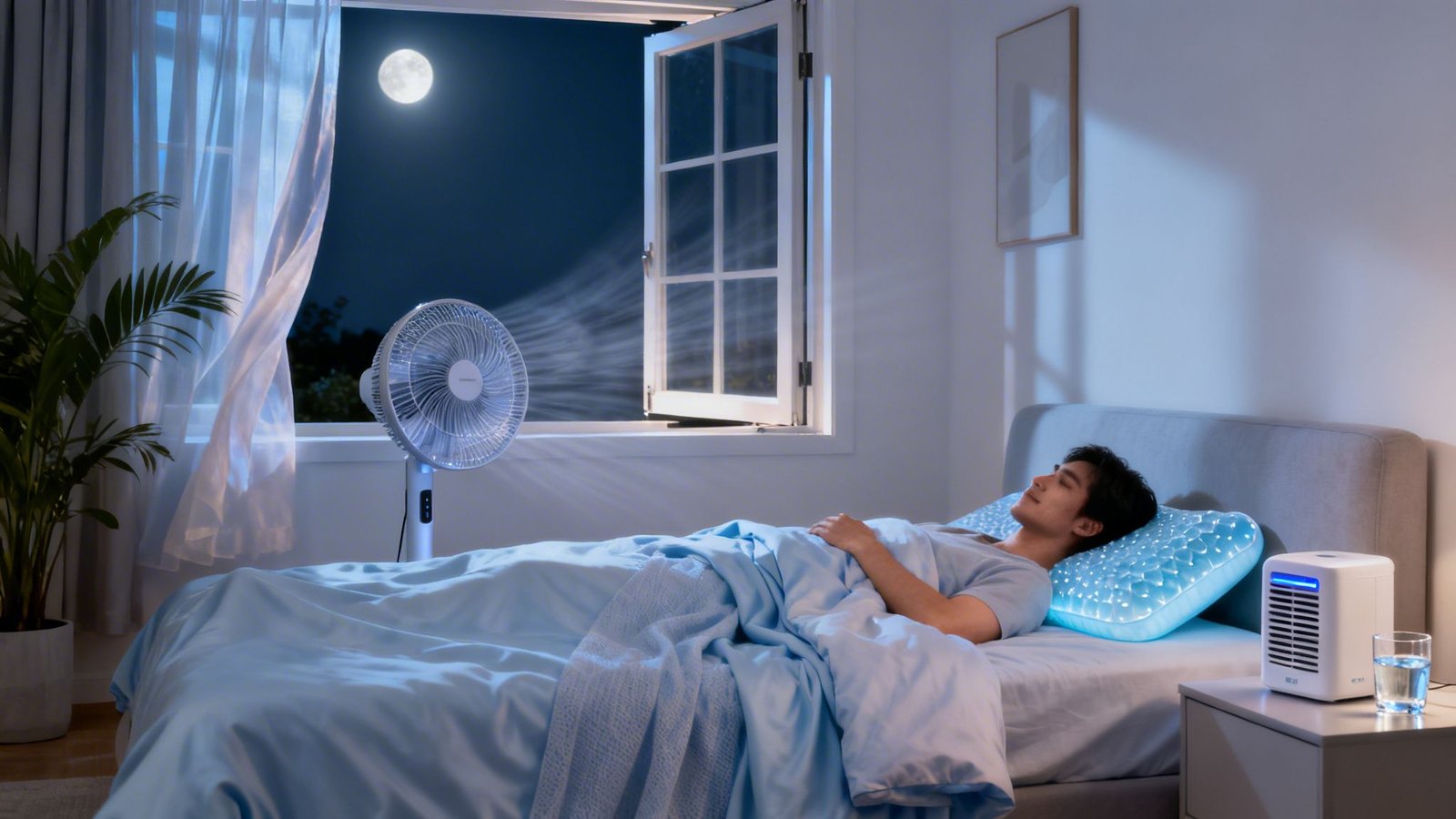
Tired of tossing, turning, and endlessly searching for the cool side of the pillow? That frustrating, sweaty struggle for a good night's sleep is something we see all the time. Whether your memory foam mattress feels like an oven or you and your partner are locked in a nightly thermostat battle, the heat doesn't have to win.
The solution isn't about enduring miserable nights. It's about having a smart, actionable plan. We've found that the secret to consistently cool sleep comes down to tackling three key areas: your bedroom environment, your sleep gear, and your pre-sleep habits. Making even small, intentional changes in these areas can completely transform your nights from restless to restorative.
Your Blueprint for Cooler, Deeper Sleep
This guide is your starting point for taking back control. We’re not talking about expensive home renovations or complicated fixes. The focus here is on immediate, practical strategies you can use tonight to stop overheating and finally get the deep sleep you deserve.
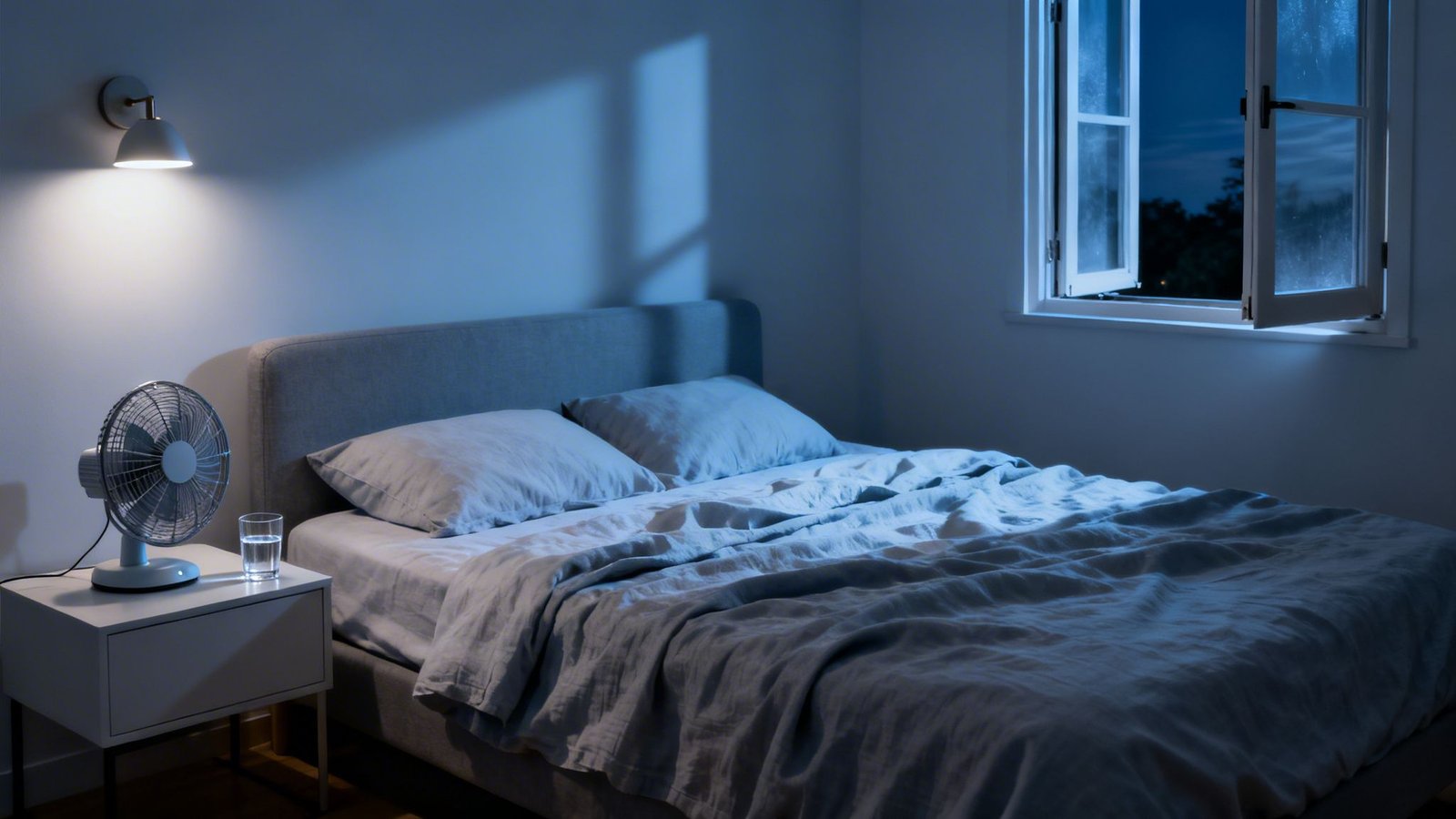
The 3 Pillars of Cool Sleep
Let's break down where to focus your efforts for the biggest impact. Think of this as your quick-start guide to reclaiming your sleep from the heat.
- Your Environment: It all starts with your room. We'll get into managing temperature and humidity to stop heat from building up in the first place. Simple adjustments to airflow and light can create a passively cool sanctuary without you having to do much at all.
- Your Gear: What you sleep on and under is non-negotiable. Your mattress, pillows, and sheets can either trap heat or help it escape. For hot sleepers, choosing materials specifically designed for breathability and heat dissipation is an absolute game-changer.
- Your Habits: What you do in the hours leading up to bedtime can either prime your body for sleep or for a sweaty, restless night. A few simple tweaks to your routine can send a powerful signal to your body that it’s time to cool down and rest.
The most effective approach combines small changes across all three pillars. A cooling pillow can only do so much in a stuffy room, and a frigid AC won’t make a heat-trapping mattress feel any better. Real, lasting comfort comes from addressing the whole picture.
To give you a clearer overview, here's a quick summary of how these three pillars work together.
The Cool Sleep Strategy At a Glance
| Pillar | Key Focus | Quick Wins |
|---|---|---|
| Environment | Room Temperature & Airflow | Block daytime sun, create a cross-breeze, use a fan strategically. |
| Gear | Bedding & Sleep Surfaces | Switch to breathable fabrics like linen or TENCEL™, try a cooling pillow. |
| Habits | Body Temperature Regulation | Take a lukewarm shower before bed, avoid heavy meals late at night. |
This table is just the beginning. The rest of this guide, put together by our team of sleep experts, will dive deep into each strategy with specific recommendations.
You'll get practical advice on everything from choosing the right fabrics for your sheets to optimizing airflow without running up a huge energy bill. To get to know the writers behind this research, you can learn more about our authors and their passion for helping you sleep better. Let's get started.
Optimizing Your Bedroom for Passive Cooling
Before you even think about new bedding or fancy cooling gadgets, the single biggest impact on your sleep temperature comes from your room itself. It's tempting to blast the AC all night, but a far better strategy is to create a space that stays cool on its own. We call this passive cooling, and it's the secret to winning the battle against nighttime heat before you even get into bed.
Set the Right Temperature for Sleep
Let's start with the thermostat, because there’s a genuine magic number when it comes to sleep. A cool room is non-negotiable for getting deep, restorative rest. It signals your body to lower its core temperature, which is a critical trigger for falling asleep.
Most sleep experts I've talked to agree: the sweet spot is somewhere between 60°F and 67°F (15.6°C and 19.4°C). I know, that might sound a little chilly if you're used to a warmer room. But give it a try. This range creates the perfect conditions for your body's internal thermostat, helping you not only fall asleep faster but also stay in those deeper, more refreshing sleep stages.
Manage Humidity The Unseen Enemy
Ever notice how some nights feel impossibly sticky and suffocating, even when the thermometer isn't maxed out? That's humidity at work. When the air is saturated with moisture, your sweat can't evaporate, completely short-circuiting your body's natural air conditioning system. A 75°F room with high humidity can feel far more miserable than a dry 80°F room.
For many hot sleepers, especially those in coastal or southern regions, a dehumidifier is a more effective tool than an air conditioner. By pulling excess moisture from the air, it allows your body's natural cooling system to work efficiently, making the room feel several degrees cooler.
Master Airflow with Strategic Fan Use
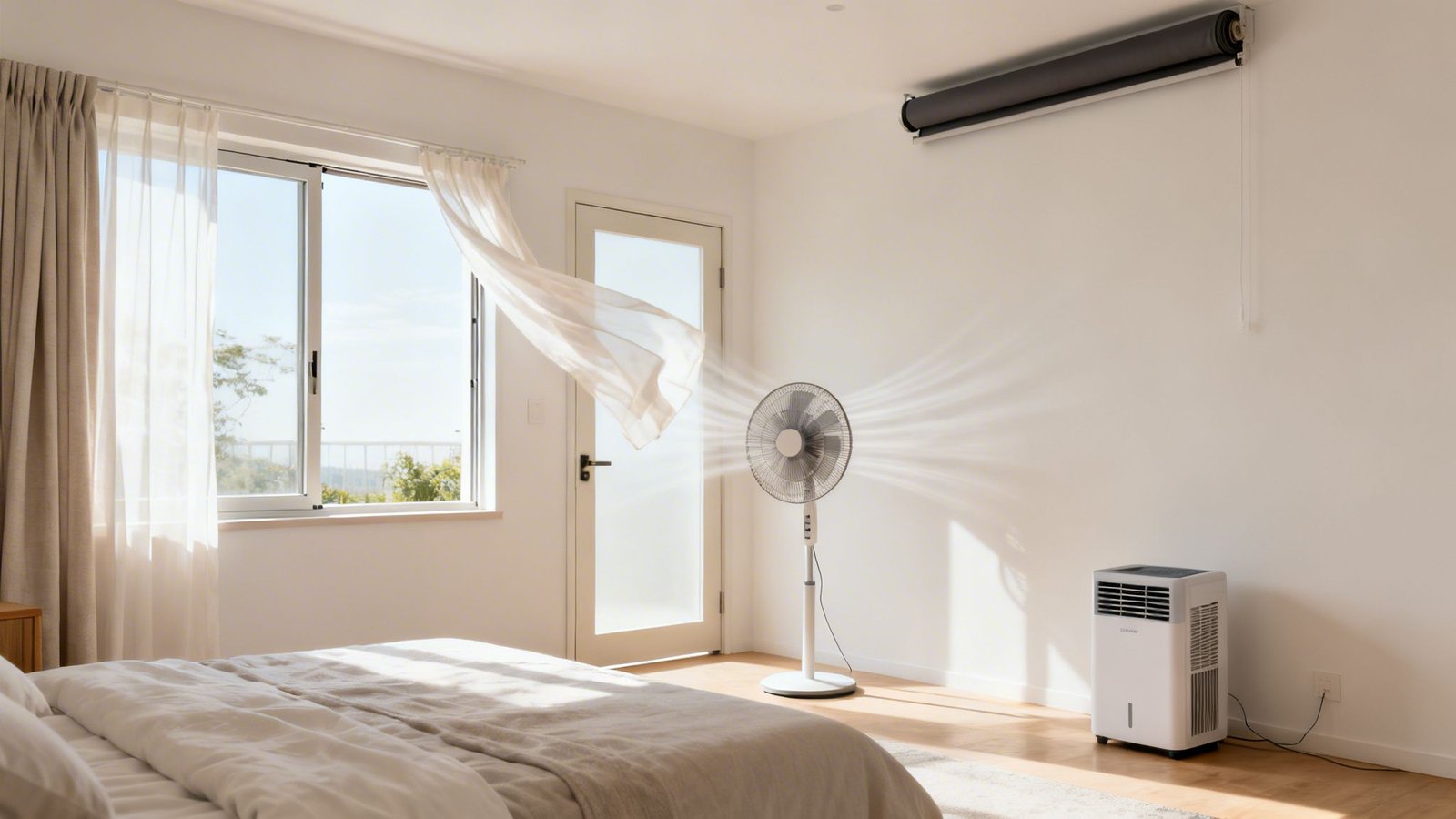
Just turning on a fan and hoping for the best is a rookie mistake. To actually cool a room, you need to use fans strategically to move hot air out and pull cool air in.
- Create a Cross-Breeze: This is a classic for a reason. If you can, open windows on opposite sides of your room or home. Then, place a box fan in one window facing out. This pushes the hot, stale air outside and creates a vacuum effect that pulls cooler evening air in through the other window.
- Use Your Ceiling Fan Correctly: In summer, your ceiling fan blades should be spinning counterclockwise. Check the switch on the motor housing. This direction pushes air straight down, creating a welcome wind-chill effect on your skin.
- The Ice Bowl Trick: On a really brutal night, this old-school trick works wonders. Just place a shallow bowl of ice (or a few frozen water bottles) directly in front of a portable fan. As the fan blows over the ice, it creates a surprisingly cool, misty breeze.
Block Daytime Heat Sources
Think of your bedroom like a parked car on a summer day—it can absorb and trap an incredible amount of heat. Preventing that daytime heat gain is one of the easiest ways to guarantee a cooler room when the sun goes down.
Your best defense here is a good set of thermal blackout curtains. They have a special backing designed to reflect sunlight and block its thermal energy from ever getting into your room. Keep them drawn all day, particularly on any windows that get direct sun. This simple habit can slash heat gain through your windows by over 25%.
Finally, don't forget about your electronics. TVs, computers, and charging bricks all generate a surprising amount of low-grade heat. Make it a habit to unplug them or power them down completely an hour or two before bed. It helps keep your sleep sanctuary cool, dark, and calm. If you have any specific questions about optimizing your home, don't hesitate to reach out; our team loves to help, and you can get in touch by visiting our contact page.
Choosing a Mattress That Breathes
If you’re constantly waking up in a pool of sweat, your mattress is the first place you should look. It’s the very foundation of your sleep, and if it's trapping heat, no amount of fancy sheets or powerful fans will ever truly fix the problem. The main offenders are often all-foam mattresses, especially those made with traditional memory foam.
These dense foam beds are fantastic for pressure relief, but that comfort comes at a cost. Without anywhere for air to go, they simply absorb your body heat all night long. Before you know it, your bed has turned into a low-grade oven. For a hot sleeper, finding a mattress that actually breathes isn't a luxury—it's a must for getting real, restorative sleep.
Why Hybrids Are a Hot Sleeper’s Best Friend
When your main goal is staying cool, hybrid mattresses are almost always the best bet. Unlike an all-foam bed, a hybrid combines the comfort of foam or latex layers on top with a core of supportive innerspring coils. That construction makes all the difference for temperature control.
The open space within the coil system gives air a place to go. As you shift around during the night, it actually helps push warm air out and draw fresh, cooler air in. This built-in ventilation system is what prevents the heat buildup that makes so many foam mattresses unbearable for people who run hot.
Decoding Cooling Mattress Technology
The mattress world is a jungle of marketing terms, and it's easy to get lost. But some of the "cooling technology" you hear about genuinely works. The trick is knowing what to look for so you can tell real innovation from empty hype.
Let's break down the features that actually move the needle on temperature:
- Gel-Infused Foams: This was one of the first big attempts to solve memory foam's heat problem. Tiny gel beads are swirled into the foam to help pull heat away from your body. It often feels cool when you first lie down, but be aware that its effect can fade overnight as the gel absorbs as much heat as it can hold.
- Open-Cell Foams: The physical structure of the foam itself is a huge factor. Open-cell foams have larger, more connected air pockets than traditional closed-cell foams. This design is naturally more breathable, allowing heat to dissipate instead of getting trapped right next to you.
- Latex Mattresses: Natural latex is another excellent choice. It has an open-cell structure that’s inherently more breathable than memory foam, and many manufacturers add perforations or air channels to boost airflow even further. It creates a cool, responsive surface that’s also incredibly durable.
These are solid starting points, but the most exciting developments take a more active approach to cooling.
The Power of Phase Change Materials
The true cutting edge in cooling sleep tech is Phase-Change Material (PCM). This is a "smart" material that actively works to keep your temperature stable. Originally developed by NASA to keep astronauts comfortable in their spacesuits, PCMs absorb, store, and release heat as needed.
Here’s how it works: As you get warm, microscopic PCM capsules in the mattress cover or top foam layer absorb that extra heat, shifting from a solid to a liquid state. This process literally pulls warmth away from your body, keeping your skin at a comfortable, balanced temperature and stopping you from overheating in the first place.
This technology is a massive leap forward. While older mattresses just trap heat, modern cooling beds with PCMs and advanced foams can drop the surface temperature by 5-10°F. In fact, some lab tests show this helps people fall asleep 30% faster. One recent study even found that 72% of users reported waking up less during the night—a huge benefit for athletes who need deep recovery or women dealing with menopausal hot flashes. You can dig into the market research on cooling mattress advancements here.
Cooling Toppers: A Budget-Friendly Alternative
What if a brand-new mattress isn't in the cards right now? A good cooling mattress topper can make a world of difference. These 2- to 4-inch layers sit right on top of your current mattress and can turn a sweltering bed into a much cooler sleep space.
When shopping for a topper, look for the same technologies we've just discussed:
- Gel-infused or copper-infused foam to pull away initial heat.
- Ventilated latex for lasting, breathable support.
- Advanced PCM technology for the most active and effective temperature regulation.
A quality topper is an amazing way to figure out how to stay cool at night without a major investment. It's the perfect solution for renters, dorm rooms, or anyone wanting to test out cooling technology before committing to a whole new mattress.
Choosing the Right Sheets, Pillows, and Sleepwear
A cooling mattress is a great foundation, but it's your sheets, pillows, and pajamas that are in direct contact with your skin all night. This is where the battle against night sweats is often won or lost. Choosing the right fabrics can make the difference between a restful night and a sweaty, frustrating one.
Think of it like dressing for a workout. You wouldn't wear a fleece-lined jacket for a run, and the same logic applies to your bed. Let's dive into how to pick gear that actually helps you stay cool.
Choose Sheet Fabrics That Breathe
One of the most common mistakes people make is chasing a high thread count. While it sounds luxurious, an 800 or 1000 thread count sheet is often woven so tightly that it suffocates your skin, trapping heat and moisture. For hot sleepers, this is the opposite of what you want.
Instead, let's focus on the material and the weave, which are far more important for airflow.
- Percale Cotton: This is my go-to recommendation for a reason. Percale is a specific weave that creates a fabric that's crisp, light, and incredibly breathable. It feels cool and fresh against your skin, making it a fantastic choice for anyone who runs hot.
- Linen: If you want maximum airflow, linen is king. It's made from the flax plant and has a naturally open, loose weave that lets air circulate freely. It can feel a bit textured at first, but it gets wonderfully soft with each wash and has that relaxed, inviting look.
- Bamboo Viscose & Tencel Lyocell: These are modern marvels. Derived from plant sources, these fabrics are exceptionally soft and are absolute powerhouses when it comes to wicking away moisture.
We're not just talking a small difference here. Fabrics like Tencel Lyocell can wick moisture away 50% faster than cotton. This can help drop your skin temperature by a noticeable 2-4°F throughout the night. A 2026 consumer report even found that 68% of hot sleepers who switched to these materials slept about 45 minutes longer and cut down their nighttime wake-ups by 40%. You can dig into the data in the full consumer report on cooling sleepwear.
Upgrade to a Cooling Pillow
Ever had to flip your pillow to the "cool side" over and over? Your head and neck release a ton of heat, so a pillow that traps it can make your entire body feel like it's overheating. Traditional solid memory foam pillows are often the worst offenders.
A simple switch to a purpose-built cooling pillow can be a game-changer. Here are the materials I've found work best:
- Shredded Latex or Foam: Unlike solid blocks, shredded fills have space between the pieces, allowing air to move through the pillow and carry heat away.
- Buckwheat Hulls: This is an old-school solution that’s incredibly effective. The small, firm hulls create thousands of tiny air pockets, ensuring constant airflow. They also offer firm, adjustable support.
- Gel-Infused & Vented Foams: If you can't give up the feel of foam, look for modern options. Many are now infused with cooling gel or designed with ventilation channels that actively promote airflow.
Ditch the Cotton T-Shirt for Technical Pajamas
That old cotton t-shirt you sleep in might feel soft and familiar, but it’s a poor choice for managing sweat. Once cotton gets damp, it stays damp, leaving you with a cold, clammy fabric stuck to your skin.
Your sleep environment is a system, and every choice matters. This simple decision tree shows how one choice, like your mattress, can set you on a path to cooler sleep.
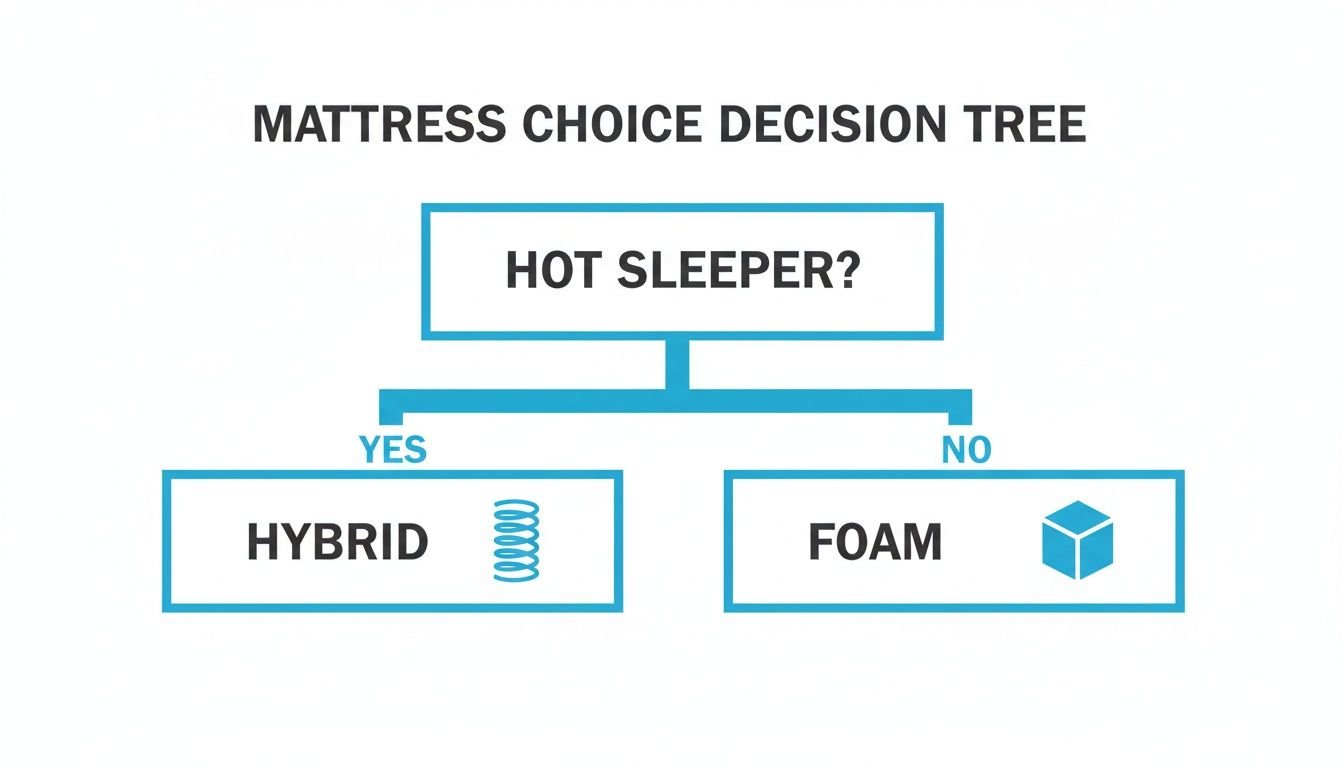
This illustrates why hot sleepers often feel better on a hybrid mattress—the coils allow for far more airflow than a dense foam block.
For a serious upgrade, invest in technical cooling sleepwear. These are pajamas made from the same kind of high-performance fabrics you find in athletic apparel. They are engineered to pull moisture off your skin and dry quickly, keeping you comfortable and dry all night long. Look for sleepwear made from Tencel, bamboo viscose, or specialized polyester blends. It’s the final piece of the puzzle for a truly cool night's sleep.
How to Wind Down for a Cooler Night's Sleep
How you spend the hour or two before bed can make or break your night. To fall asleep and stay asleep, your body's core temperature actually needs to drop a couple of degrees. The good news is that you can give it a serious nudge in the right direction with a few simple, smart habits.
These nightly rituals don't cost a thing, but they send a powerful signal to your body that it's time to cool down and get some rest.
Tweak Your Evening Shower Routine
This might seem backward, but a lukewarm shower taken about 90 minutes before you plan to sleep is one of the best tricks in the book. A cold shower feels great for a minute, but it can actually trigger your body to ramp up its internal thermostat to compensate, leaving you warmer than before.
A warm shower, however, does the opposite. It draws blood to your skin's surface. When you step out of the bathroom, the water quickly evaporates off your skin, creating a rapid cooling effect that helps pull heat away from your core. It's surprisingly effective—research has found this simple trick can help you nod off about 10 minutes faster.
Eat and Drink with Intention
Your evening diet has a huge impact on how hot you feel at night. A big, heavy meal loaded with fats and carbs sends your digestive system into overdrive. This process generates a surprising amount of metabolic heat, which is the last thing you want when you're trying to cool off.
- Choose Lighter Fare: Think small and easy to digest. A salad topped with some grilled chicken or a piece of fish is a much better choice than a cheeseburger or pasta.
- Reconsider That Nightcap: Alcohol might make you feel sleepy at first, but it also widens the blood vessels in your skin. This can make you feel flushed and often leads to disruptive night sweats. It also wrecks your deep sleep cycles later in the night.
- Hydrate Smart: Guzzling water right before bed might lead to a midnight bathroom run, but a cool glass an hour or so beforehand can help lower your body temperature and ensure you're well-hydrated.
A Pro Tip on Timing: Your body's internal clock (your circadian rhythm) and your temperature are deeply connected. A morning workout can reinforce this rhythm, making you feel more awake during the day and properly tired at night. But be careful—a tough workout too close to bedtime can keep your core temperature elevated for hours.
Quick Hacks for Instant Relief
On those unbearably stuffy nights, you need a few tricks up your sleeve for immediate comfort. The goal here is to target your body's pulse points, where blood vessels run closer to the skin, making them perfect spots for rapid cooling.
One of the easiest things you can do is freeze a damp washcloth a couple of hours before bed. When you're ready to sleep, just lay it across your forehead, wrists, or the back of your neck. The relief is instant.
For a more full-body solution, you can try what's often called the "Egyptian Method." Just take a large towel or even your top sheet, get it damp with cool water, and wring it out thoroughly so it isn't dripping. Use this as your blanket. As the water slowly evaporates throughout the night, it creates a personal cooling system that can be a real lifesaver during a heatwave.
Your Questions About Staying Cool at Night, Answered
When you’re desperately trying to figure out how to sleep cooler, you end up with more questions than answers. Let's tackle some of the most common ones I hear from hot sleepers. My goal is to give you straightforward advice that you can use tonight.
Can a Cooling Pillow Actually Do Anything for Night Sweats?
I get this question all the time, and the answer is a resounding yes. It’s easy to be skeptical, but a good cooling pillow isn't a gimmick; it’s based on simple physiology. Your head and neck are critical areas for regulating body temperature. When they get too warm, your body can overreact, triggering a full-blown case of the night sweats.
Think about your current pillow. If it’s a dense block of traditional memory foam, it's basically an insulator, trapping heat right against your head. Cooling pillows are engineered to do the exact opposite.
- Airflow is Key: Many are designed with perforations or channels that let air move freely, which prevents that stifling heat buildup.
- Active Cooling Tech: Others use gel infusions or surface pads that actively pull heat away from your skin, giving you that initial, and lasting, cool-to-the-touch feeling.
- Smart Fabrics: The best ones also have covers made from moisture-wicking materials that draw sweat away from your skin, keeping your face and neck feeling dry all night.
For anyone who deals with serious night sweats, the right pillow can be a total game-changer. Independent research shows some cooling pillows can wick away 35% more moisture than their standard counterparts. This is a huge deal for anyone, but especially for the up to 75% of women over 45 who experience sleep disruption from menopause. You can explore the data and market insights for therapeutic sleep pillows here.
What Can We Do if I'm a Hot Sleeper but My Partner Is Always Cold?
Ah, the classic thermostat war. You're throwing the covers off, and your partner is burrowed under a mountain of blankets. This is probably the number one struggle couples mention, but you don't have to resort to separate bedrooms.
The solution is to think in zones. Instead of trying to find one perfect temperature for the whole bed, you can create two distinct microclimates.
A dual-zone cooling and heating mattress pad is the gold standard here. These systems use either water or air to actively control the temperature on each side of the bed. You can literally set your side to a crisp 65°F while your partner enjoys a cozy 80°F. It's a true marriage-saver.
If that's not in the budget, you can still get great results with a few other tricks:
- Divide and Conquer: Use separate blankets. A lightweight, breathable quilt for you and a heavier duvet for your partner is a simple and effective fix.
- Find a Neutral Mattress: A good hybrid mattress with plenty of coils for airflow provides a great middle ground that doesn't trap heat, making it easier for both of you to regulate your own temperature.
- The Pillow Flip: As a smaller fix, some pillows are even designed with one cool-touch side and one neutral side, so you can flip it to whatever feels best.
Are Those Expensive Cooling Sheets Really Worth the Money?
This is a great question, because a higher price tag doesn't automatically mean a cooler night's sleep. Often, you're paying for a brand name or a sky-high thread count, neither of which is a reliable indicator of cooling performance. What truly matters is the material.
Let's be practical. A good set of percale cotton sheets is a fantastic and affordable starting point. It's naturally crisp, light, and much more breathable than those dense sateen or microfiber sheets that feel like a plastic bag on a hot night. For many people, simply switching to quality percale is a massive improvement.
So, when do premium fabrics like Tencel™ or bamboo viscose justify their higher cost? It comes down to moisture management and feel.
| Feature | Percale Cotton (Budget-Friendly) | Tencel™ / Bamboo (Premium) |
|---|---|---|
| Feel | Crisp, light, and airy | Silky, smooth, and drapey |
| Breathability | Very good | Excellent |
| Moisture-Wicking | Good | Exceptional |
| Best For | Hot sleepers who prefer a classic, crisp sheet | Very hot sleepers, night sweats, humid climates |
Here's the bottom line: if you're waking up damp from night sweats, those premium fabrics are an incredible investment. They are far superior at pulling moisture away from your skin, which keeps you feeling dry and prevents that awful clammy sensation. But if you're just a warm sleeper looking for better airflow, a high-quality percale set can work wonders without breaking the bank. We get into our own testing philosophy in more detail over on the CoolRestGuide about page.
At CoolRestGuide, we're obsessed with finding what truly works. We cut through the marketing hype to bring you honest, no-BS reviews on all things cooling, so you can finally get the sleep you deserve. Stop sweating and start sleeping better with our expert guides at https://coolrestguide.com.
Enhanced by Outrank
